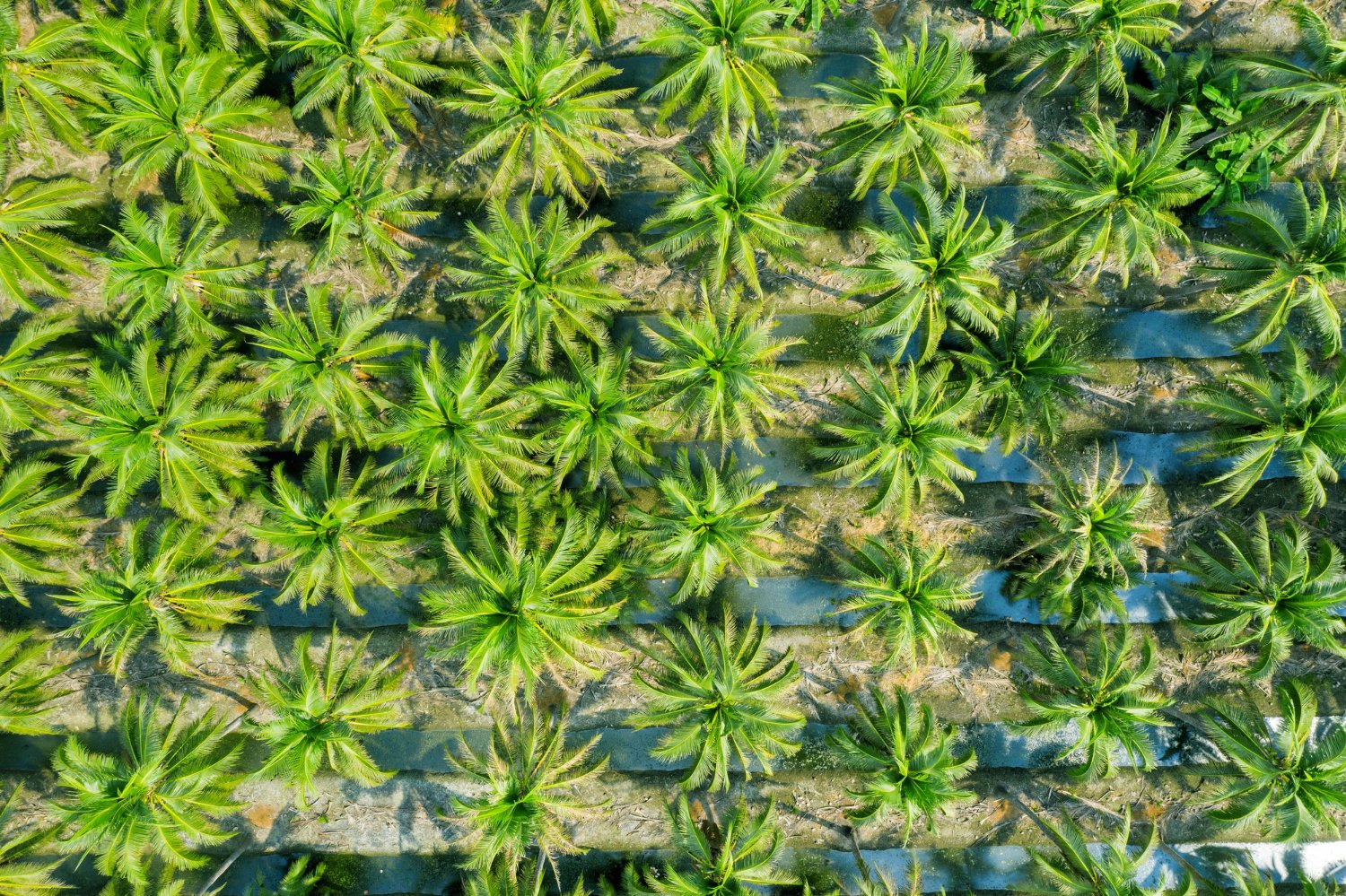
Sustainability is now a core principle in modern oil palm plantation operations. In Malaysia, the move toward responsible agriculture is driven by both environmental concerns and the need for long-term crop stability. At D Meteor 66, we believe that healthy land produces healthy yields — and that sustainable farming delivers measurable benefits.
Why Sustainable Farming Matters
Traditional plantation methods often cause soil erosion, water pollution, and nutrient imbalance. By shifting toward a more balanced method of cultivation, we preserve the long-term productivity of our land while maintaining consistent output.
Best Practices in Responsible Oil Palm Farming
Sustainable plantations begin with strong soil management. Techniques such as cover cropping, mulching, and soil enhancement significantly improve nutrient retention. Water stewardship also plays a crucial role, ensuring every field receives adequate hydration without waste. Integrated pest management adds another layer of protection, reducing crop loss while maintaining environmental balance.
The Result: Higher Yield and Better Quality
When land health improves, so does fruit quality. Plantation productivity increases steadily as trees grow stronger and more resilient. These improvements contribute directly to higher-quality palm oil production and long-term plantation value.
Conclusion
Sustainability is no longer an option—it is the future of Malaysian agriculture. Through responsible land use and modern farming techniques, D Meteor 66 continues to cultivate oil palm fields that perform consistently while protecting the environment.